

Measure What Matters
Proving Value with Beef Cattle Performance Metrics
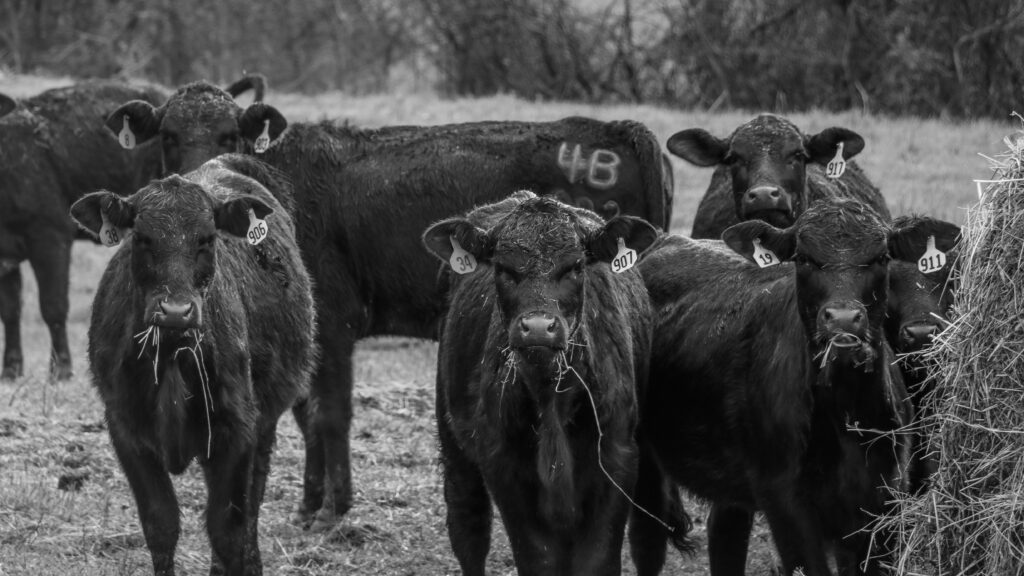
Evaluating beef cattle visually—looking at muscle, fat cover, rib width, and structure—can tell part of the story. But to make confident management decisions, ranchers need more than just what they see.
That’s where performance metrics come in. By combining visual observation with data-driven records, producers can track growth, reproduction, and profitability over time to see what’s really working.
Tracking Body Condition and Performance
Body Condition Scoring (BCS) helps describe an animal’s physical condition on a 1-to-9 scale, from emaciated (1) to obese (9). But BCS alone doesn’t capture the full picture.
Performance data such as pregnancy rate, weaning weight, and average daily gain (ADG) reveal important trends that visual scoring can miss. These metrics show how efficiently cattle are converting feed to gain, how reproductive cycles are performing, and where adjustments may help.
CattleMax makes it simple to store BCS scores, weights, treatments, and performance notes so you can compare animals and seasons over time.
A Real-World Example: Turning Records Into Results
A ranching family in Alabama noticed their cow values dropping. When they began tracking beef cattle performance metrics in detail, beyond visual appraisals and weaning weights, they quickly identified areas to improve. Their herd’s value began to rise again, proving how detailed records translate into measurable progress. You can watch their full story here.
With tools like the CattleMax Calculators, ranchers can easily handle the math behind performance metrics and track weights, feed, and growth in one place.
Feed Efficiency and Nutrition Records
Feed efficiency is one of the biggest drivers of profitability. Feed Conversion Efficiency (FCE) measures how much feed an animal needs to gain one pound of weight, while Feed Conversion Ratio (FCR) looks at how much feed is required per pound of gain.
Recording feed ingredients, amounts, and feeding schedules helps identify which rations work best.
CattleMax includes nutrition and feed records, making it easy to store ration details, costs, and feed ingredients for each group or individual animal.
Record Keeping for Herd Health
Healthy herds start with good records. Ranchers who log herd health metrics can spot potential problems early, treat them efficiently, and prevent issues from spreading.
Between 2010 and 2015, U.S. producers lowered calf losses and stabilized mortality rates by tracking herd health, identifying patterns, and refining their management strategies. Many found success through non-lethal predator control methods like using guard animals, removing older cattle from vulnerable areas, and increasing supervision during high-risk seasons.
A solid health record should include animal identification, conditions treated, treatment dates, medications used, dosages, and withdrawal periods (usually found on product labels). Keeping this data organized in programs like CattleMax ensures you always have a complete history when evaluating performance or planning next steps.
Predicting Future Performance with EPDs
Performance records do more than show where your herd stands today—they also help predict what’s ahead.
Expected Progeny Difference (EPD) data estimates how an animal’s offspring will perform. Breed associations collect and update EPDs, giving ranchers more confidence when making breeding decisions.
It’s important to align EPD goals with your operation’s needs. For example, a higher Milk EPD can produce heavier calves, but it might not be ideal in drought conditions where increased milk demand puts extra stress on cows.
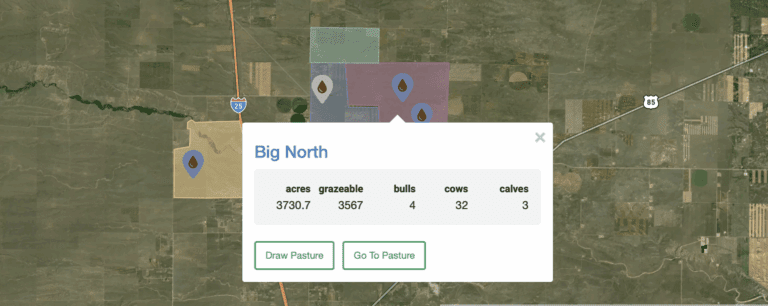
Because records are accessible on smartphones and computers, ranchers can make informed decisions in the field and build a history of how pastures respond year after year. This not only saves time but also helps identify trends that improve profitability and sustainability.
Key Reproductive Metrics
Reproductive traits provide insight into fertility, calving ease, and long-term productivity. Metrics like Calving Ease Direct (CED) and Calving Ease Maternal (CEM) indicate the likelihood of unassisted births. Heifer Pregnancy (HP) reflects how likely a first-time heifer is to conceive during her first breeding season.
Other useful indicators include Scrotal Circumference (SC), which relates to fertility and maturity; Stayability (STAY), showing how long cows remain productive; and 30-Month Pregnancy (Pg30), which predicts whether a cow will rebreed and calve again by age three.
Growth and Feed Efficiency Metrics
Growth and feed efficiency records are equally valuable. Average Daily Gain (ADG) measures how many pounds an animal gains per day. Residual Average Daily Gain (RADG) shows how fast an animal gains without requiring extra feed, while Residual Feed Intake (RFI) compares how much an animal eats to what’s expected for its size and growth rate.
Tracking these metrics helps producers identify cattle that gain well on less feed—improving performance and profitability at once.
Other useful indicators include Scrotal Circumference (SC), which relates to fertility and maturity; Stayability (STAY), showing how long cows remain productive; and 30-Month Pregnancy (Pg30), which predicts whether a cow will rebreed and calve again by age three.
Carcass Merit and Retail Quality
Carcass data helps bridge the gap between on-ranch performance and market results. Metrics like Carcass Weight (CW) predict the final harvest weight, Marbling (MARB) estimates intramuscular fat and quality grade, and Yield Grade (YG) reflects the lean-to-fat ratio.
Monitoring these metrics over time helps ranchers raise cattle that not only perform well on the ranch but also deliver consistent, high-quality beef to consumers. Learn more about EPDs.
Turning Cattle Data Into Profit
Tracking beef cattle performance metrics turns observations into proven results. Accurate records in CattleMax allow ranchers to improve feed efficiency, strengthen fertility, boost carcass value, and make every management decision more informed.
By combining thoughtful planning with recordkeeping tools like CattleMax, ranchers can unlock the full potential of their land and herds. Good record keeping doesn’t just show where your herd stands today; it builds the foundation for a stronger, more profitable operation tomorrow.

Jacqueline
Jacqueline, a true Wyoming native, was raised on her family's ranch just north of Cheyenne. Her journey led her to the University of Wyoming, where she earned a Bachelor of Business Administration in Management and Marketing. She and her husband, Darrell, manage a thriving herd of commercial Angus cattle.