

What to Know About Brangus Cattle
Performance, Adaptability, and Profitability
Brangus cattle were developed to meet the demands of hot, humid, and challenging environments without sacrificing beef quality. By combining the carcass merit of Angus cattle with the heat tolerance and durability of Brahman genetics, the Brangus breed offers commercial producers a balanced option built for performance and longevity.
Today, Brangus cattle are valued for their adaptability, maternal strength, and ability to deliver consistent returns across a wide range of climates. From improved reproductive efficiency to strong carcass results, the breed continues to gain traction among producers focused on both resilience and profitability.
If you’re considering adding Brangus cattle to your operation, here are a few key things to know about the breed.
Origins Of The Breed
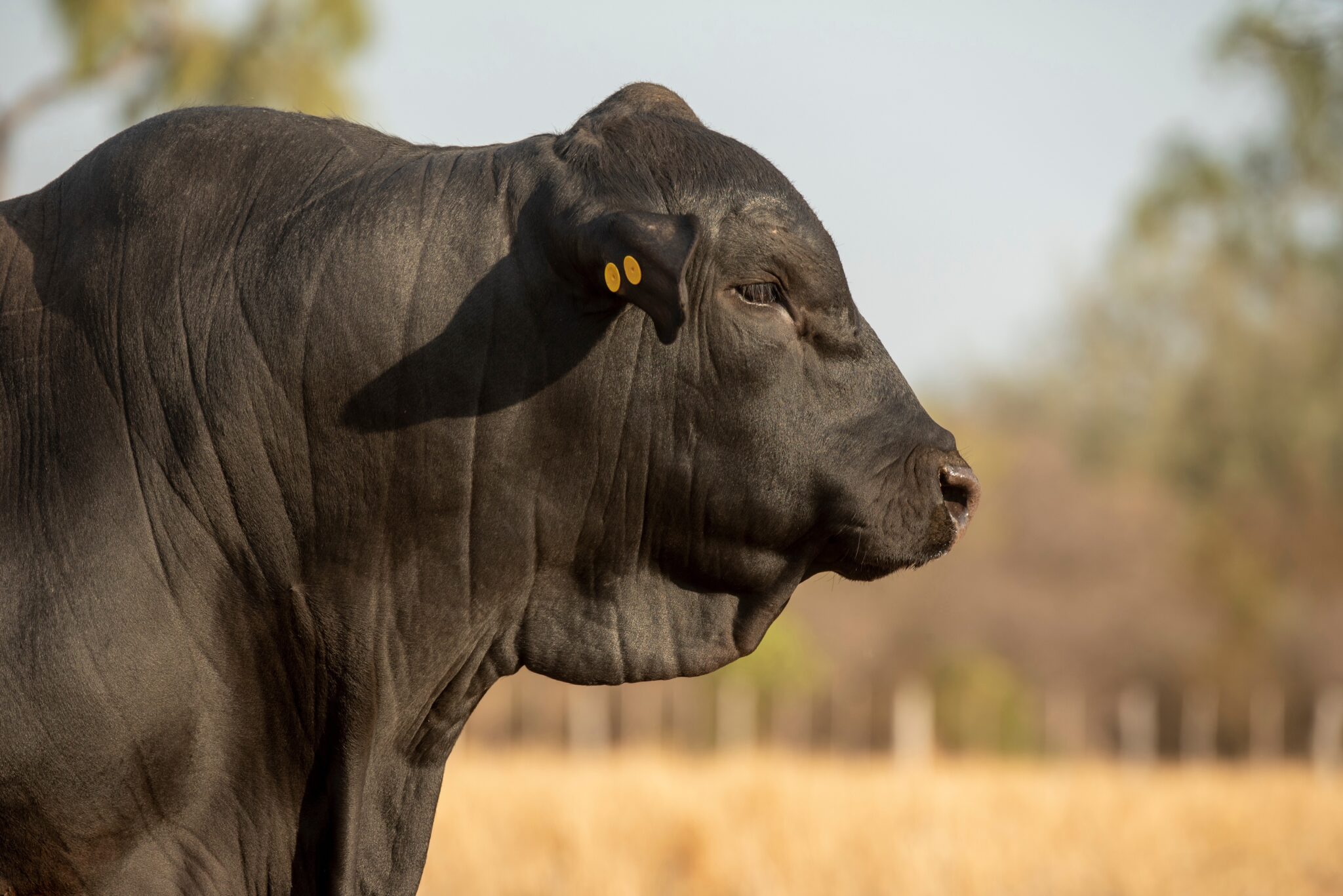
Born of necessity in the humid southern United States, the Brangus breed traces its earliest roots to 1912. Early crossbreeding efforts at the USDA Experiment Station in Jeanerette, Louisiana, aimed to combine the hardiness of Brahman cattle with the carcass quality of the Angus breed.
Private ranches across the South shared similar goals, and in 1949, the breed was officially organized into the International Brangus Breeders Association (IBBA). The IBBA developed Brangus by stabilizing key traits from both parent breeds in a fixed ratio of ⅝ Angus and ⅜ Brahman, rather than relying solely on top-crossing commercial cows.
While the fixed ratio remains foundational to the breed, the association also recognizes UltraBlack and UltraRed cattle. These cattle incorporate a higher Angus influence while maintaining Brangus phenotype and performance traits, giving seedstock producers additional options.
The Angus lineage contributes carcass premiums through strong ribeye development and intramuscular fat, while the Brahman component enhances survivability, heat tolerance, longevity, and natural disease resistance. The result is a breed capable of thriving in challenging climates while still meeting modern beef quality expectations.
Traits And Registration
Brangus cattle were developed to address a specific challenge: maintaining high-quality beef production in regions affected by heat, humidity, parasites, and drought. The combination of Brahman durability and heat tolerance with Angus marbling, maternal performance, and early maturity creates a balanced and productive animal.
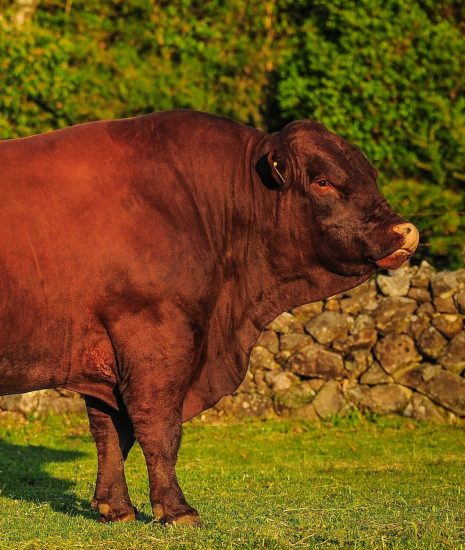
Most Brangus cattle are solid black and naturally polled, though Red Brangus is also recognized. They typically exhibit moderate ear size, lack a prominent Brahman hump, and carry muscling similar to Angus cattle. Brangus cattle are often noted for their even temperament and strong feed efficiency across a wide range of environments.
In commercial herds, Brangus cattle benefit from hybrid vigor, delivering reliable growth, weaning weights, carcass merit, and reproductive longevity.
To qualify for registration, Brangus cattle must be ⅝ Angus or Red Angus and ⅜ Brahman, solid black or red, and naturally polled. The association also allows grading-up pathways, including UltraBlack and UltraRed classifications, which feature higher concentrations of Angus genetics.
DNA testing, parent verification, and performance recording are now industry standards. While registration requirements vary across U.S., Australian, and South American registries, all emphasize genetic integrity and measurable performance.
Heat Adaptation And Maternal Performance
One of the greatest advantages of Brangus cattle is their ability to remain productive under intense heat. Brahman cattle are well known for thriving in hot, humid environments, as well as for tolerating high insect pressure common in southern climates.
The Brangus cross helps offset challenges seen in each parent breed. While Brahman cattle can struggle with later maturity and Angus cattle may experience reduced reproductive efficiency in harsh climates, the strengths of each complement the other. Studies consistently show improved conception rates, shorter calving intervals, and stronger weaning weights in hot environments compared to many Bos taurus breeds.
Research from Louisiana State University confirms genetics play a major role in heat tolerance. Bos indicus cattle handle heat more effectively due to larger and more numerous sweat glands and looser skin. Body temperature in Bos taurus cattle often begins to rise between 70–79°F, while Bos indicus cattle may not show the same response until temperatures approach 90°F.
Brangus Value Project
The Brangus Value Project (BVP), an ongoing initiative by the International Brangus Breeders Association, tracks Brangus-sired calves from the ranch through feeding and harvest to evaluate real-world performance and profitability.
Results show Brangus cattle consistently perform well in growth and efficiency, gaining more pounds per day while requiring less feed than regional benchmarks. On the rail, a significant percentage of BVP cattle grade USDA Choice or higher, with many reaching Premium Choice and Prime.
Tenderness evaluations further support eating quality, with nearly all tested steaks qualifying as “Tender” or “Very Tender.” Together, these results reinforce Brangus cattle as a reliable and profitable option for commercial beef producers.
Population And International Distribution
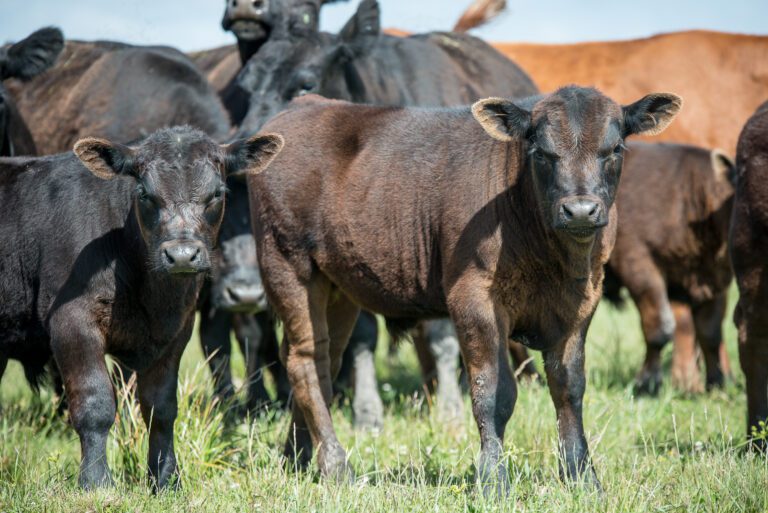
Today, Brangus cattle are found throughout the United States, Brazil, Mexico, Australia, Paraguay, and South Africa. Global adoption continues to grow, driven by climate resilience, strong beef demand, and the breed’s ability to perform consistently in hot, challenging environments.
South America has become a major Brangus hub, supported by widespread commercial adoption and active semen and embryo trade in tropical regions. In these areas, Brangus cattle are often used in both purebred and crossbreeding programs to improve heat tolerance, reproductive efficiency, and carcass quality while maintaining adaptability to local conditions.
Track your herd
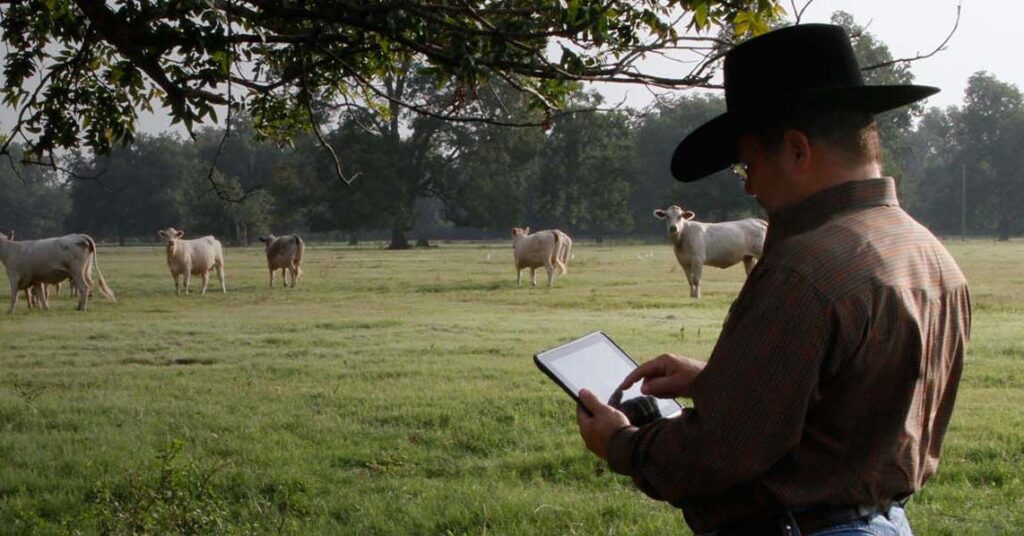
Keeping complete and accurate records on your Brangus herd is important for operations of all sizes, whether you’re managing a small cow herd or a large commercial program. Organized records help support better breeding decisions, simplify reporting, and keep performance data easy to access.
CattleMax supports IBBA record keeping and reporting, making it easier to manage Brangus-specific records in one place.

Jacqueline
Jacqueline, a true Wyoming native, was raised on her family's ranch just north of Cheyenne. Her journey led her to the University of Wyoming, where she earned a Bachelor of Business Administration in Management and Marketing. She and her husband, Darrell, manage a thriving herd of commercial Angus cattle.